
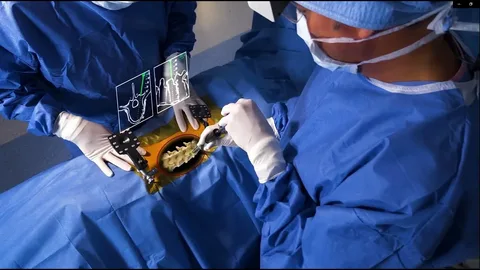
Many patients are understandably concerned about the road to recovery when facing a spinal fracture. Traditional open surgeries often come with significant downtime, discomfort and physical disruption. Today, minimally invasive spinal fracture procedures are offering patients a different path, one that typically involves less pain, smaller incisions and quicker recovery. Dr. Larry Davidson, a specialist in the field, underscores that these newer techniques allow surgeons to treat fractures with precision while preserving as much of the surrounding tissue as possible.
Minimally invasive procedures have become a preferred option for a growing number of individuals with compression fractures or injuries caused by osteoporosis, trauma or spinal degeneration. These techniques aim to stabilize the fracture, reduce pain and improve function, without the need for large incisions or prolonged hospitalization. For patients, understanding what to expect before, during and after the procedure can help reduce anxiety and promote a more positive outcome.
Understanding Minimally Invasive Options
Minimally invasive spinal fracture procedures, such as vertebroplasty and kyphoplasty, involve the use of small tools and imaging guidance to reinforce the damaged vertebra with bone cement. The primary goal is to stabilize the fracture and relieve pain. These procedures are usually recommended for patients who have not responded to conservative treatments like rest, bracing, or medication.
In vertebroplasty, the surgeon inserts a needle into the fractured vertebra and injects bone cement to harden and stabilize the structure. Kyphoplasty follows a similar approach but includes the use of a small balloon to create space before cement is introduced, which can restore lost vertebral height in some cases. Both techniques require only small skin punctures and are typically completed in under an hour.
Patients undergoing these procedures often do so under local anesthesia with sedation, although general anesthesia may be used depending on the situation. Because the process is less invasive than traditional spinal surgery, it places less stress on the body, allowing for quicker recovery.
The Preoperative Process
Before the procedure, patients undergo imaging studies such as MRI or CT scans to determine the extent of the fracture and confirm that minimally invasive treatment is appropriate. During the consultation, the physician can review the images and explain the surgical plan, including what patients can expect on the day of the procedure.
Patients are usually advised to avoid eating or drinking for several hours before surgery. Those on blood thinners may be asked to stop taking them temporarily, as these medications can increase the risk of bleeding. Any medications, allergies or previous surgeries should be discussed in detail during preoperative evaluations to ensure patient safety.
The goal of the preoperative process is to prepare both the patient and the medical team for a smooth and safe procedure. It includes discussing sedation options, addressing any concerns, and providing instructions for the recovery period.
What Happens During the Procedure
On the day of the procedure, patients are typically admitted to an outpatient surgical center or hospital. After preparation, the patient is positioned face down on a special surgical table. Sedation or anesthesia is administered, and the area is sterilized.
Using imaging guidance, typically real-time fluoroscopy, the surgeon locates the exact site of the fracture and guides a needle through the skin into the vertebral body. In vertebroplasty, bone cement is carefully injected to stabilize the vertebra. In kyphoplasty, a balloon is inflated inside the vertebra first, and then the cavity is filled with cement. Because of precision imaging and specialized tools involved, the procedure is highly targeted. Most patients spend less than two hours in the surgical suite and begin recovery within hours.
Recovery and Postoperative Care
After the procedure, patients are taken to a recovery area where they are monitored for a few hours. Most individuals can walk shortly afterward and are discharged on the same day. Some may need to stay overnight depending on their medical condition and response to anesthesia. Pain relief is often noticeable within 24 to 48 hours, and in some cases, it is immediate. Mild soreness around the injection site may be present, but usually resolves quickly.
Patients are encouraged to resume light activities as tolerated, but should avoid strenuous tasks for a few weeks. Follow-up appointments are scheduled to assess the outcome and ensure that the cement has fully stabilized the vertebra. In most cases, a physical therapy consultation is often recommended, as some patients may benefit from gentle exercises to restore flexibility and strength.
Benefits and Limitations
Minimally invasive spinal fracture procedures are not suitable for every patient, but they have shown excellent results in appropriately selected cases. The advantages include a shorter recovery time, reduced risk of complications, and decreased need for pain medication. These benefits are especially important for older adults or individuals with health conditions that make open surgery risky.
Still, not every spinal fracture qualifies. Patients with multiple fractures, extensive spinal deformity, or infections may require a different treatment approach. Careful evaluation by a spine specialist is essential to determine the best course of action. Dr. Larry Davidson mentions, “Personalizing treatment based on each patient’s unique anatomy and fracture pattern allows us to deliver better results and reduce the risk of complications.” This individualized approach ensures that each patient receives the most effective and least invasive option tailored to their specific condition.
Setting Realistic Expectations
While minimally invasive procedures offer many advantages, patients should approach them with a clear understanding of the goals. These techniques are highly effective at stabilizing fractures and relieving pain, but they may not reverse all effects of spinal injury. Setting realistic expectations helps patients focus on functional recovery and pain management rather than expecting an instant cure.
Open communication with the surgical team is key. Patients should be encouraged to ask questions, understand the timeline for recovery, and learn about lifestyle changes that can support spinal health in the long term. These include maintaining good posture, engaging in low-impact exercises, and addressing underlying conditions like osteoporosis through medication and nutrition.
The Broader Impact of Minimally Invasive Spine Care
Minimally invasive spinal procedures represent a shift in how spinal injuries are managed. They reflect a growing emphasis on reducing physical trauma, improving patient comfort and returning individuals to their daily lives sooner. The reduced hospital stays, and faster recoveries also translate to lower healthcare costs and fewer complications, aligning with broader goals in modern patient care.
For those living with painful spinal fractures, these procedures offer a reliable and effective option that balances innovation with thoughtful care. They provide a new opportunity for patients to regain independence, mobility, and peace of mind.